Berapa Lama Melelehkan Cokelat Compound? Ini Hasil Tes 30 Detik vs 5 Menit

Berapa Lama Melelehkan Cokelat Compound? Ini Hasil Tes 30 Detik vs 5 Menit
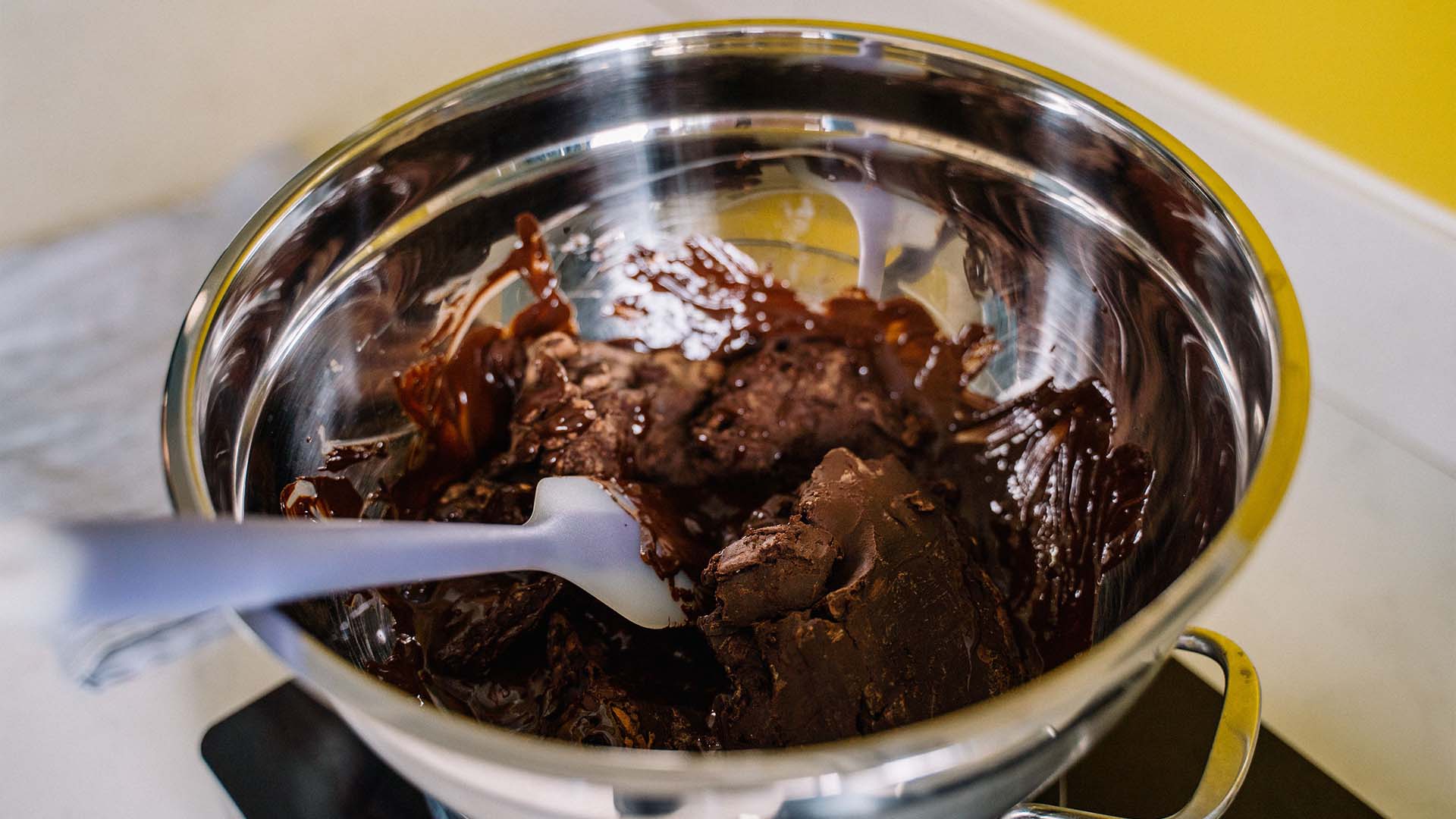
Sebenarnya, berapa lama melelehkan cokelat compound yang ideal? Apakah lebih cepat lebih baik, atau justru perlu waktu lebih lama agar hasilnya creamy dan halus?
Pertanyaan ini sering muncul, terutama bagi UMKM, bakery, dan home baker yang ingin hasil cokelat coating lebih profesional.
Di artikel ini, kita bahas hasil eksperimen dari 30 detik sampai 5 menit - dan hasilnya mungkin tidak seperti yang Anda kira.
Kenapa Waktu Melelehkan Cokelat Itu Penting?
Banyak orang fokus pada suhu, tapi lupa bahwa waktu leleh cokelat compound juga sangat menentukan:
- Tekstur (smooth atau kasar)
- Kilap (glossy atau kusam)
- Konsistensi coating
- Kemudahan aplikasi
Jika terlalu cepat → cokelat bisa menggumpal
Jika terlalu lama → cokelat bisa overheat
Tes Melelehkan Cokelat Compound: 30 Detik vs 5 Menit
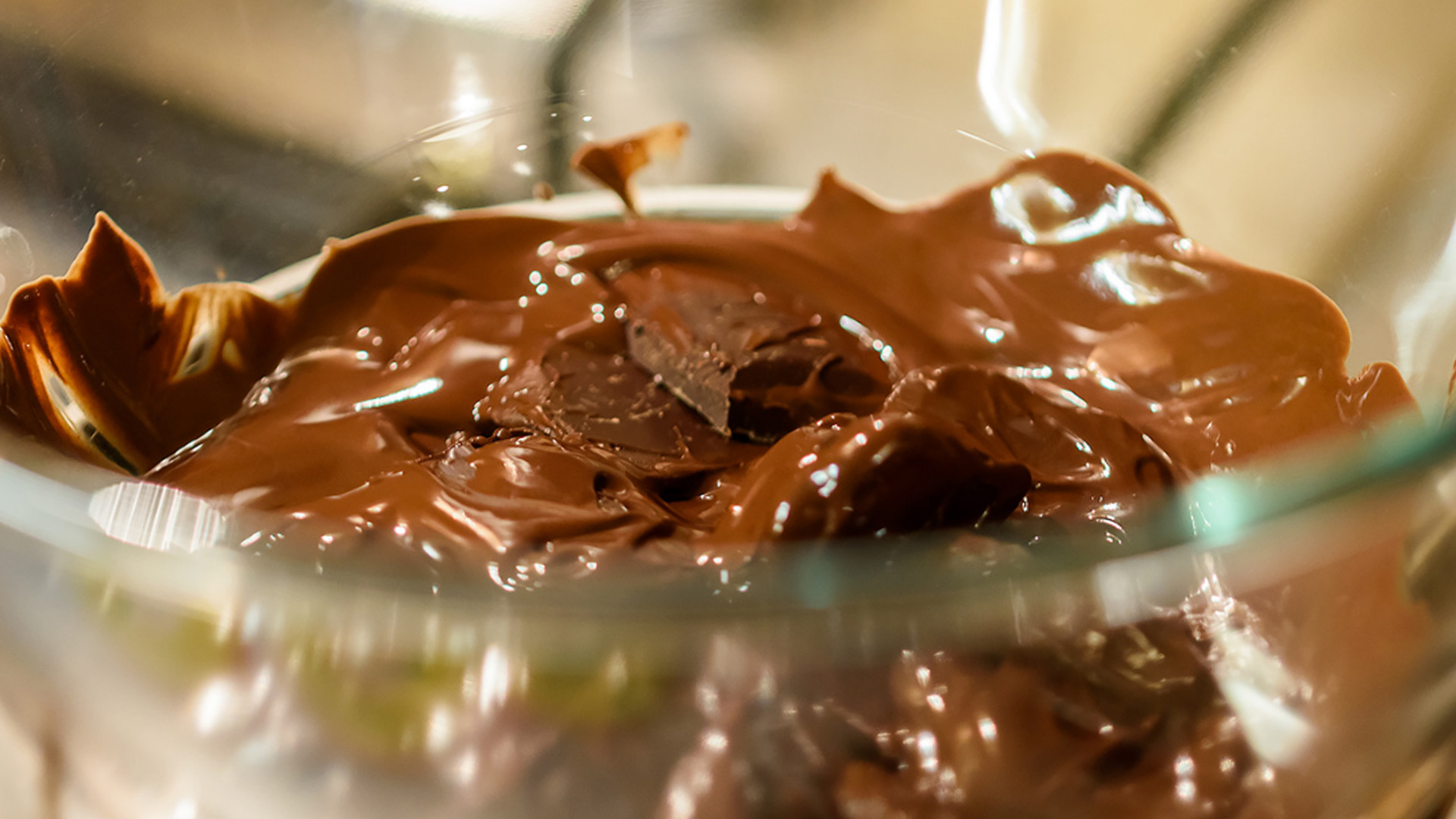
Mari kita breakdown hasil eksperimen:
30 Detik – Cepat Tapi Belum Optimal
Hasil:
- Cokelat mulai meleleh
- Masih ada bagian padat
- Tekstur belum smooth
Kesimpulan:
Cocok untuk “quick melt”, tapi belum siap digunakan untuk coating atau dekorasi.
1–2 Menit – Mulai Stabil
Hasil:
- Cokelat mulai homogen
- Lebih mudah diaduk
- Mulai terlihat glossy
Kesimpulan:
Mulai masuk fase usable, tapi belum maksimal.
3–5 Menit – Creamy Maksimal
Hasil:
- Tekstur halus dan creamy
- Kilap lebih stabil
- Mudah diaplikasikan
Kesimpulan:
Ini adalah waktu ideal untuk hasil profesional.
Jadi, Lebih Baik Cepat atau Creamy Maksimal?
Jawabannya tergantung tujuan:
Kebutuhan | Waktu Ideal |
Quick use | 1–2 menit |
Coating profesional | 3–5 menit |
Dekorasi detail | 3–5 menit |
Tips: Untuk hasil jualan, lebih disarankan hasil creamy maksimal.
Faktor yang Mempengaruhi Hasil Leleh Cokelat

Selain waktu, ada beberapa faktor penting:
1. Jenis Cokelat Compound
Tidak semua cokelat punya performa yang sama.
Gunakan cokelat yang:
- Stabil saat dipanaskan
- Tidak mudah menggumpal
- Hasil akhir glossy
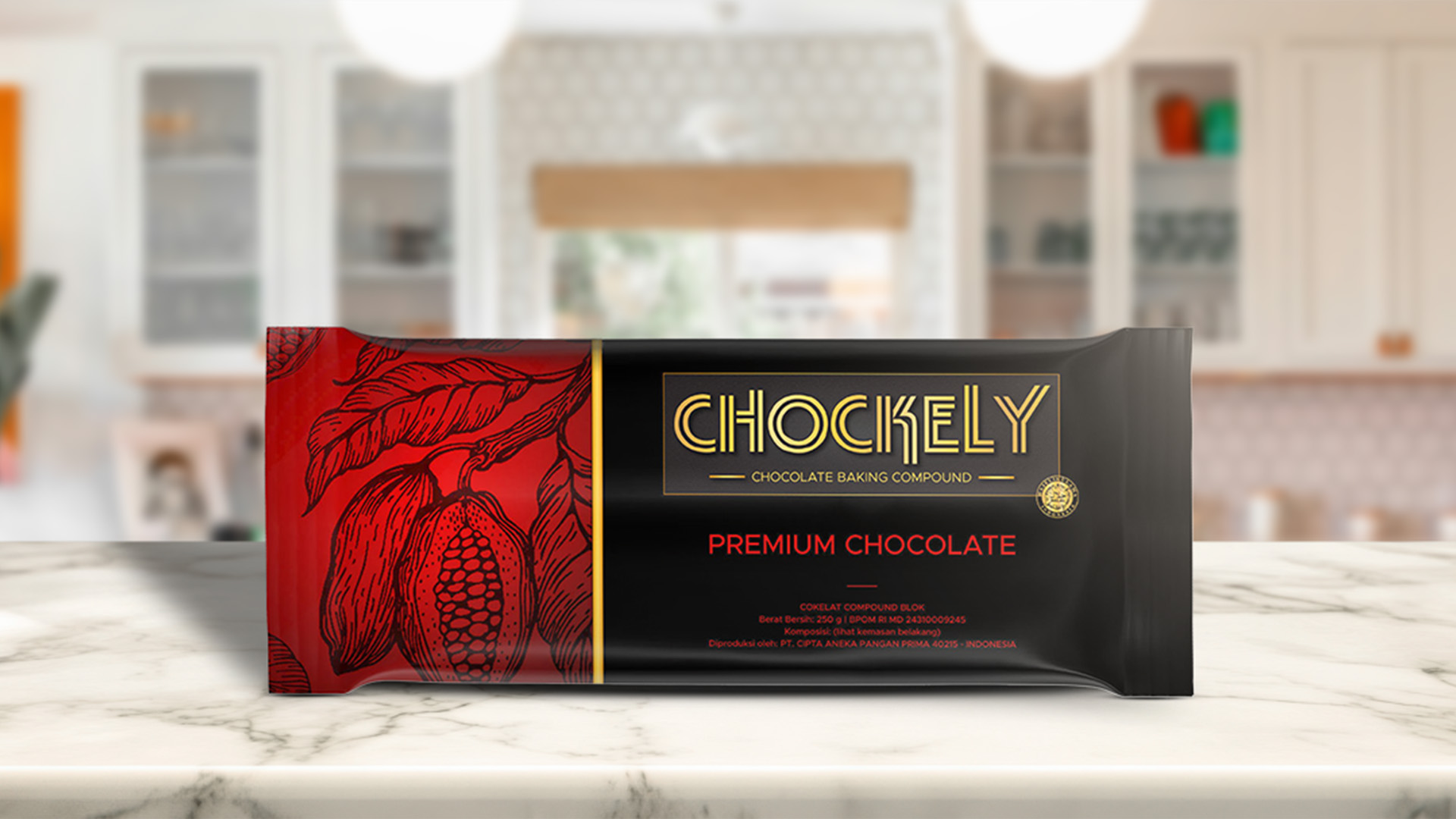
Seperti Chockely Premium yang dirancang untuk coating dan dekorasi dengan hasil lebih smooth.
2. Teknik Pemanasan
Metode umum:
- Microwave (bertahap 30 detik)
- Double boiler
Tips:
- Aduk setiap interval
- Jangan overheat
- Gunakan wadah kering
3. Kadar Air
Air adalah musuh utama cokelat.
Jika terkena air:
- Cokelat bisa menggumpal
- Tekstur rusak
Kenapa Tekstur Creamy Lebih Penting untuk Jualan?
Untuk UMKM dan bakery, hasil akhir sangat menentukan:
✔ Lebih mudah coating produk
✔ Tampilan lebih premium
✔ Tidak mudah retak
✔ Lebih menarik secara visual
Cokelat yang terlalu cepat dilelehkan biasanya:
- Tidak rata
- Tidak glossy
- Kurang menarik untuk dijual
Ide Aplikasi dari Cokelat Compound
Dengan teknik leleh yang benar, Anda bisa gunakan untuk:
- Donat coating
- Dessert box
- Cookies topping
- Hampers Lebaran
- Dekorasi cake
Semua aplikasi ini membutuhkan tekstur yang smooth dan stabil.
Tips Melelehkan Cokelat Agar Hasil Maksimal
- Gunakan metode bertahap (jangan langsung panas tinggi)
- Aduk setiap 30–60 detik
- Gunakan cokelat berkualitas
- Hindari air & uap
- Gunakan wadah kering
FAQ Seputar Melelehkan Cokelat Compound
Q1: Berapa lama waktu ideal melelehkan cokelat compound?
Sekitar 3–5 menit untuk hasil creamy dan optimal.
Q2: Apakah bisa langsung 30 detik saja?
Bisa, tapi hasil belum smooth dan belum siap untuk coating.
Q3: Kenapa cokelat saya menggumpal?
Biasanya karena overheat atau terkena air.
Q4: Cokelat apa yang cocok untuk coating?
Gunakan cokelat compound yang stabil seperti Chockely Premium
Mau Hasil Cokelat Lebih Smooth & Profesional?
Pemilihan bahan sangat menentukan hasil akhir.
Lihat detail produk di sini:
https://ciptafood.com/id/products/pelapis-dan-dekorasi/chockely-premium
Other Article
01 Sep
Burnt Cheesecake, a Creamy, Rustic, and a Global Dessert Trend
Read More
11 Sep
Chocolate Compound is Becoming the Preferred Choice for Professional Bakers
Read More
11 Sep
Plant-Based Trends in Modern Baking for a Healthy Lifestyle
Read More
31 Oct
PT Cipta Returns to Interfood 2025 | Live Baking Demo, Expert Consultation & Special Prizes
Read More

07 Nov
Win Exciting Prizes at PT Cipta’s Photobooth – Interfood 2025
Read More
24 Nov
Halal Chocolate Compound for Bakery: Your Complete Guide to Choosing a Trusted Supplier
Read More

28 Nov
PT Cipta Christmas Cake Creation Contest 2025 – Win Exclusive Hampers
Read More
20 Jan
Want a Glossy Chocolate Coating? 10 Tips for Choosing the Best Chocolate for Your Bakery Business
Read More
26 Jan
Frozen Puff Pastry for Bakery | Trusted Halal Supplier in Indonesia
Read More
29 Jan
Frozen Puff Pastry Price Guide and Profit Analysis for Businesses
Read More
30 Jan
10 Frozen Puff Pastry Recipes for Selling: Practical, Best-Selling & Highly Profitable
Read More
09 Feb
5 Resep Selai Kacang untuk Jualan Modal Kecil Untung Besar (Lengkap HPP & Margin)
Read More
13 Feb
Contoh Menu MBG Lengkap dengan HPP dan Analisa Nilai Gizi (Siap untuk UMKM & Catering)
Read More

27 Feb
Cara Hitung HPP Makanan Rumahan + Contoh Menu MBG
Read More
27 Feb
Lomba Kreasi Kue Idul Fitri 2026 PT Cipta: Menangkan Baking Tools!
Read More
06 Mar
Peluang Usaha Ramadan 2026: 10 Menu Margin Tinggi Lengkap HPP
Read More
13 Mar
Ide Puff Pastry untuk Jualan Margin 50%+ (Lengkap HPP & Analisa Gizi)
Read More
28 Mar
Strategi Distributor Bahan Baku: Contoh Aplikasi Produk dengan Margin Tinggi untuk Mitra UMKM
Read More
03 Apr
Peluang Usaha Makanan Margin 50%+ (Lengkap Contoh HPP & Strategi Harga Jual)
Read More
17 Apr
Spicy Peanut Gochujang Udon: Viral Creamy, Nutty & Spicy Recipe You’ll Crave
Read More

24 Apr
Sample School MBG Menu for Tender (Complete with Costing & Nutritional Analysis)
Read More
08 May
Complete Guide to Compound Chocolate for Bakery & Dessert
Read More
22 May
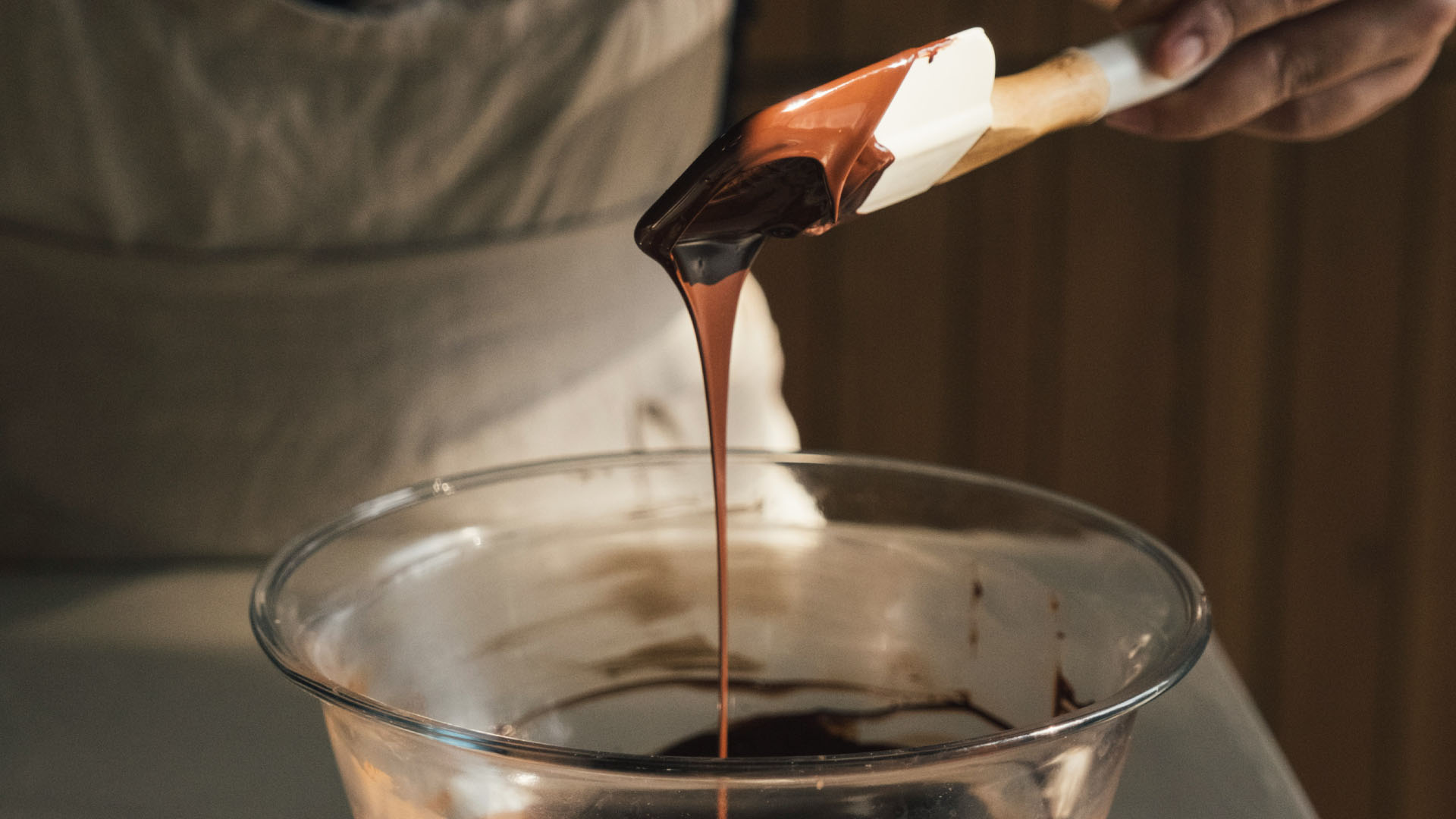
How to Melt Compound Chocolate Properly for Bakery & Dessert
Read More
22 May
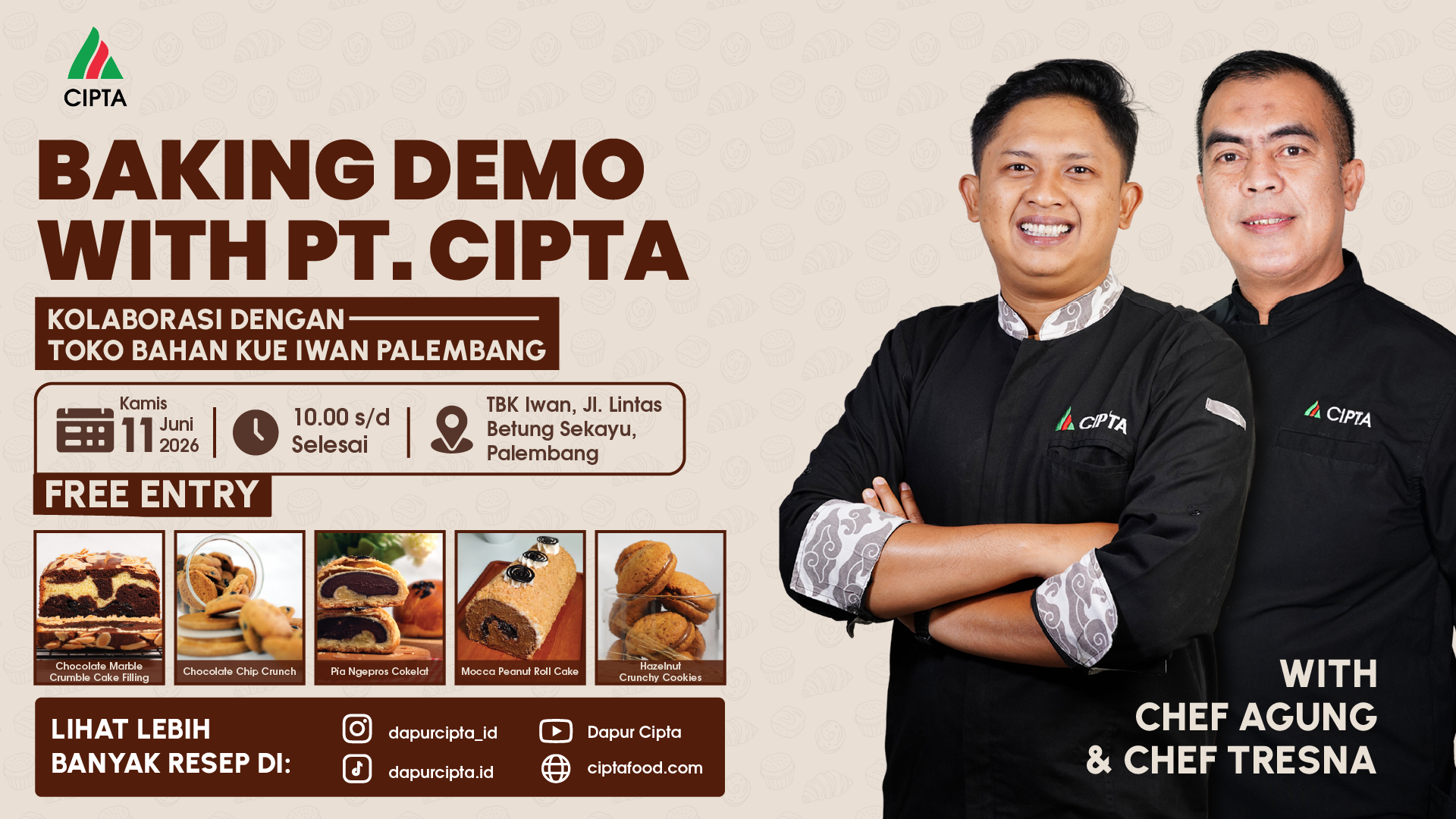
Baking Demo PT Cipta & TBK Iwan Palembang (Kamis, 11 Juni 2026)
Read More
22 May
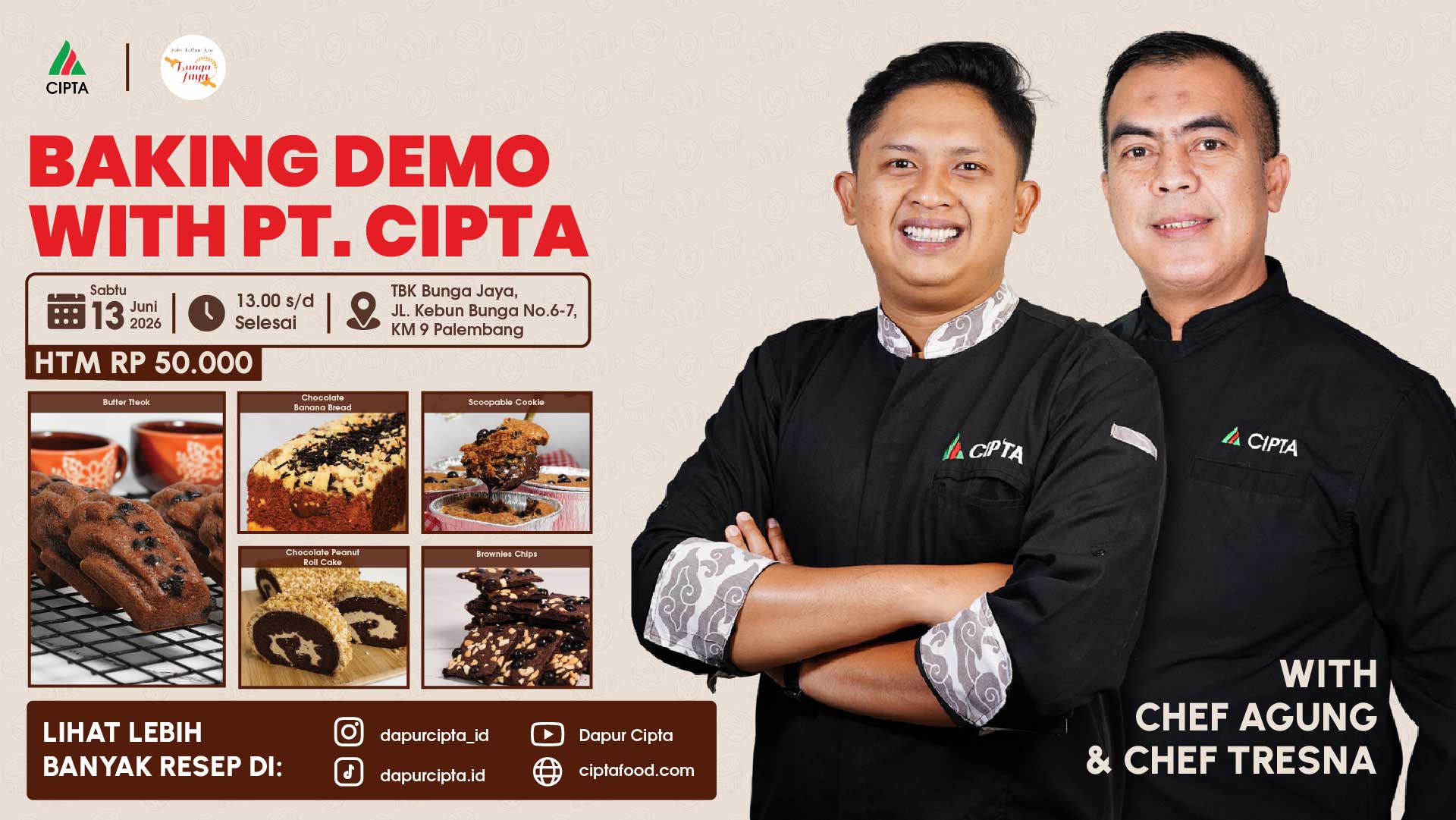
Baking Demo PT Cipta & TBK Bunga Jaya Palembang (Sabtu, 13 Juni 2026)
Read More
02 Jun
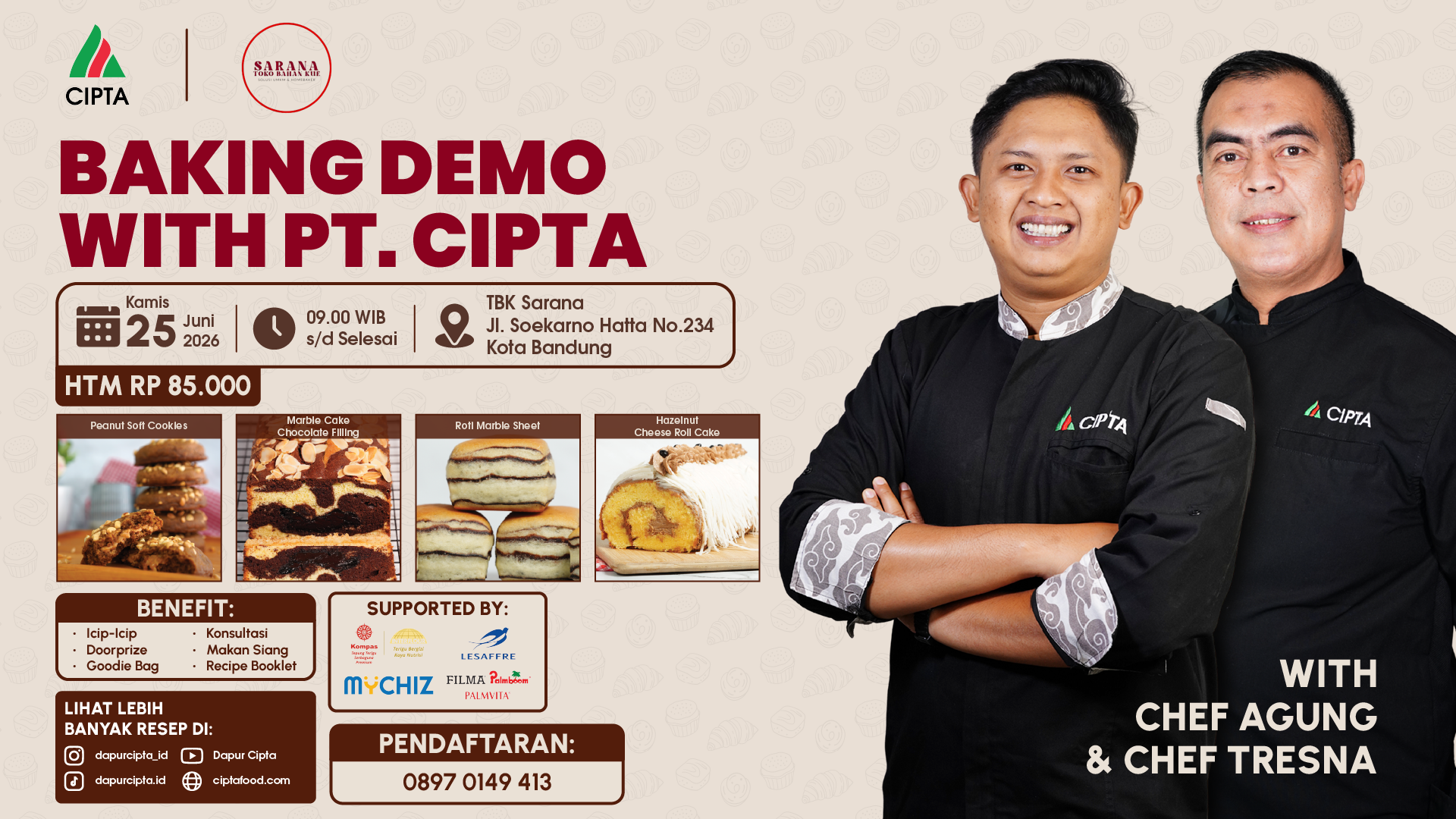
Baking Demo PT Cipta & TBK Sarana Bandung (Kamis, 25 Juni 2026)
Read More
03 Jun
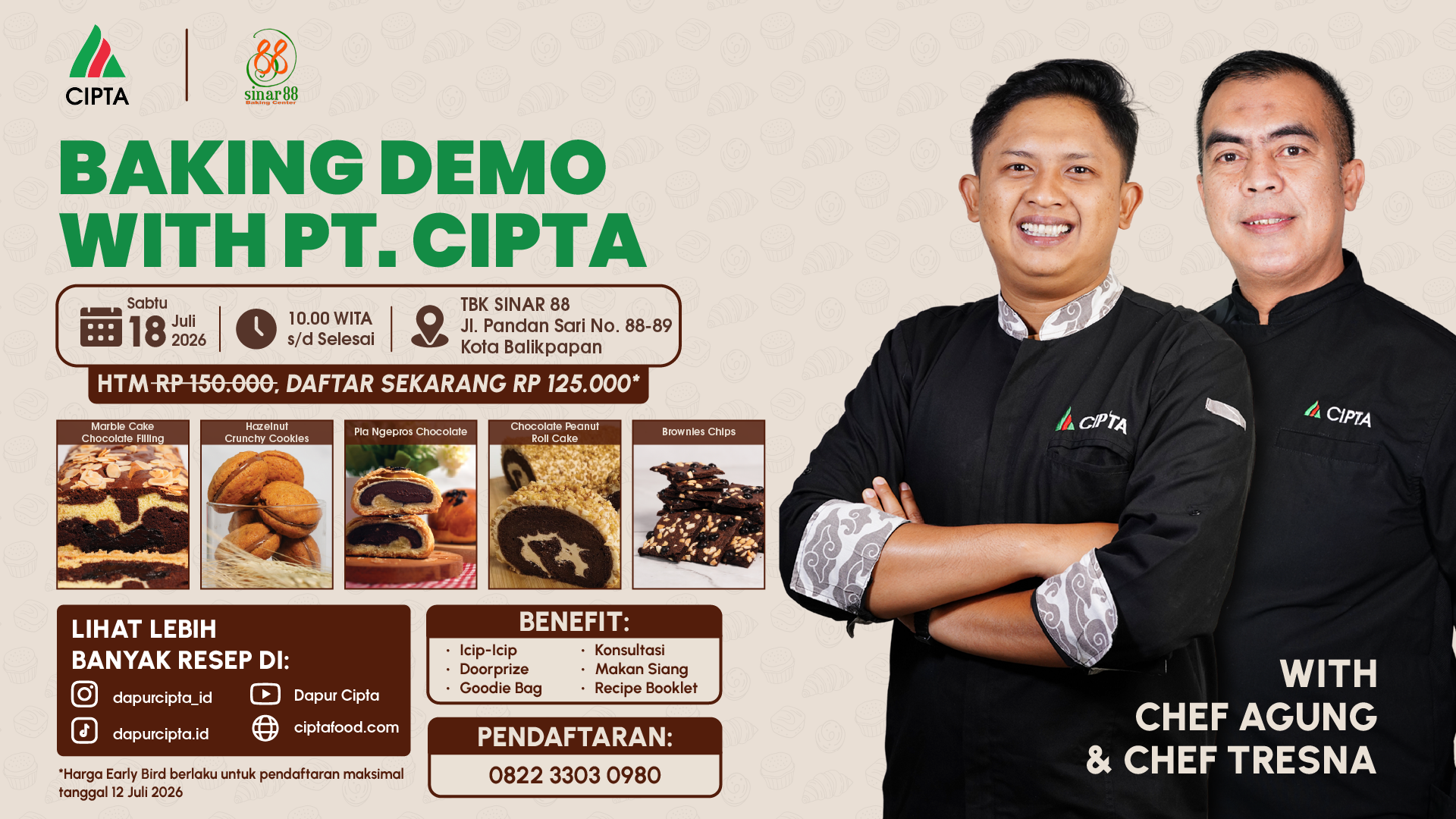
Baking Demo PT Cipta & TBK Sinar 88 Balikpapan (Sabtu, 18 Juli 2026)
Read More
19 Jun
Why Does Compound Chocolate Seize? Causes, Solutions, and Prevention Tips
Read More

26 Jun
How to Coat Donuts for a Glossy, Crack-Free Finish (The Secret to Premium-Looking Donuts for Your Business)
Read More
03 Jul
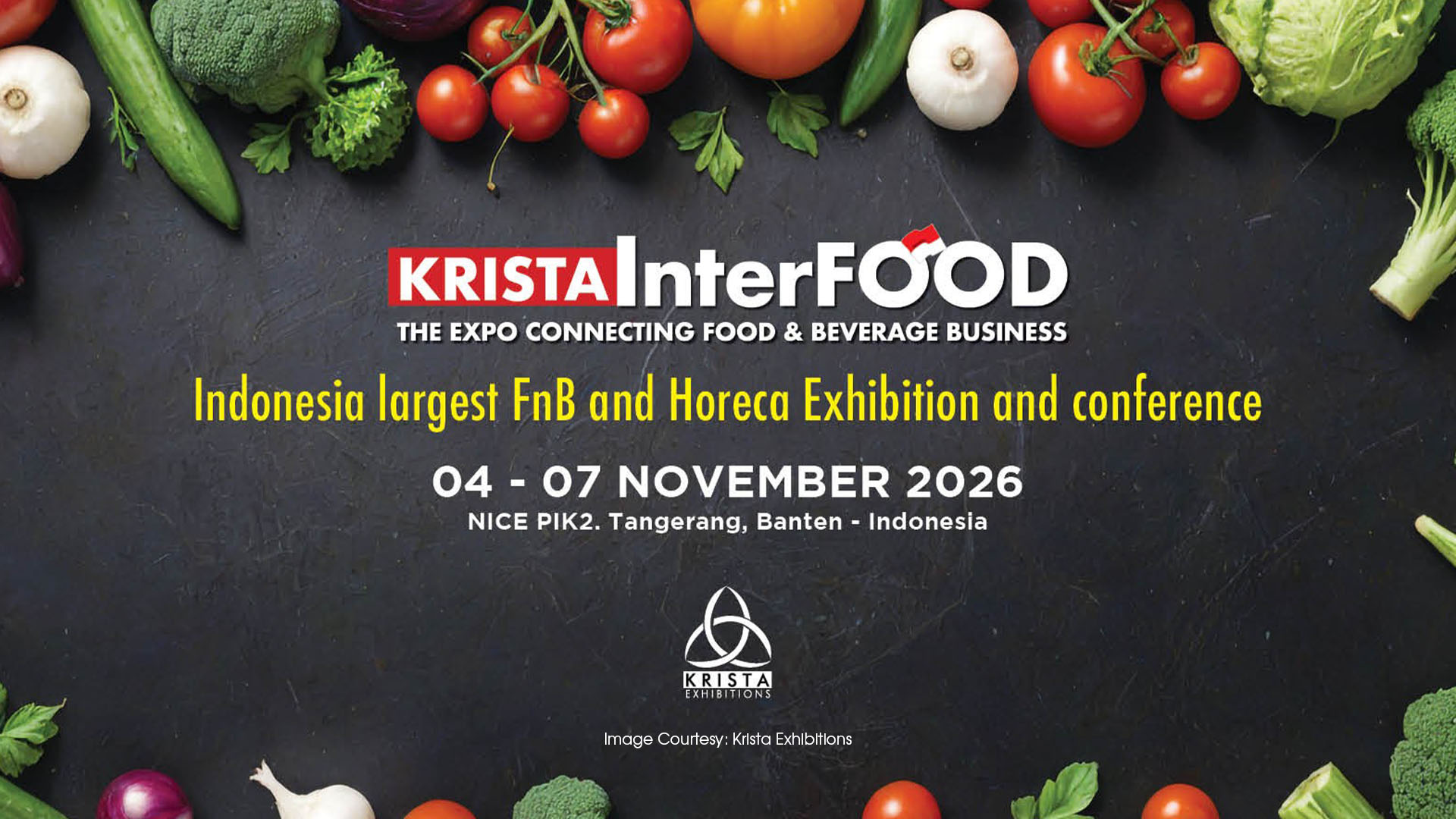
KRISTA InterFOOD 2026: Schedule, Venue, and Complete Guide for F&B Businesses
Read More
10 Jul
Sweet School Lunch Ideas to Sell: Practical, Kid-Friendly, and Profitable for Small Businesses
Read More
17 Jul
Nova Arrives: PT Cipta Officially Launches Its New Mascot for Indonesia's Baking Community
Read More
24 Jul
10 Bakery Trends Predicted to Dominate KRISTA InterFOOD 2026
Read More
31 Jul
How to Choose Heat-Resistant Bread Filling That Won't Leak During Baking
Read More
07 Aug
Peanut Butter vs. Fruit Jam: Which Is More Profitable for Your Bakery Business?
Read More
14 Aug
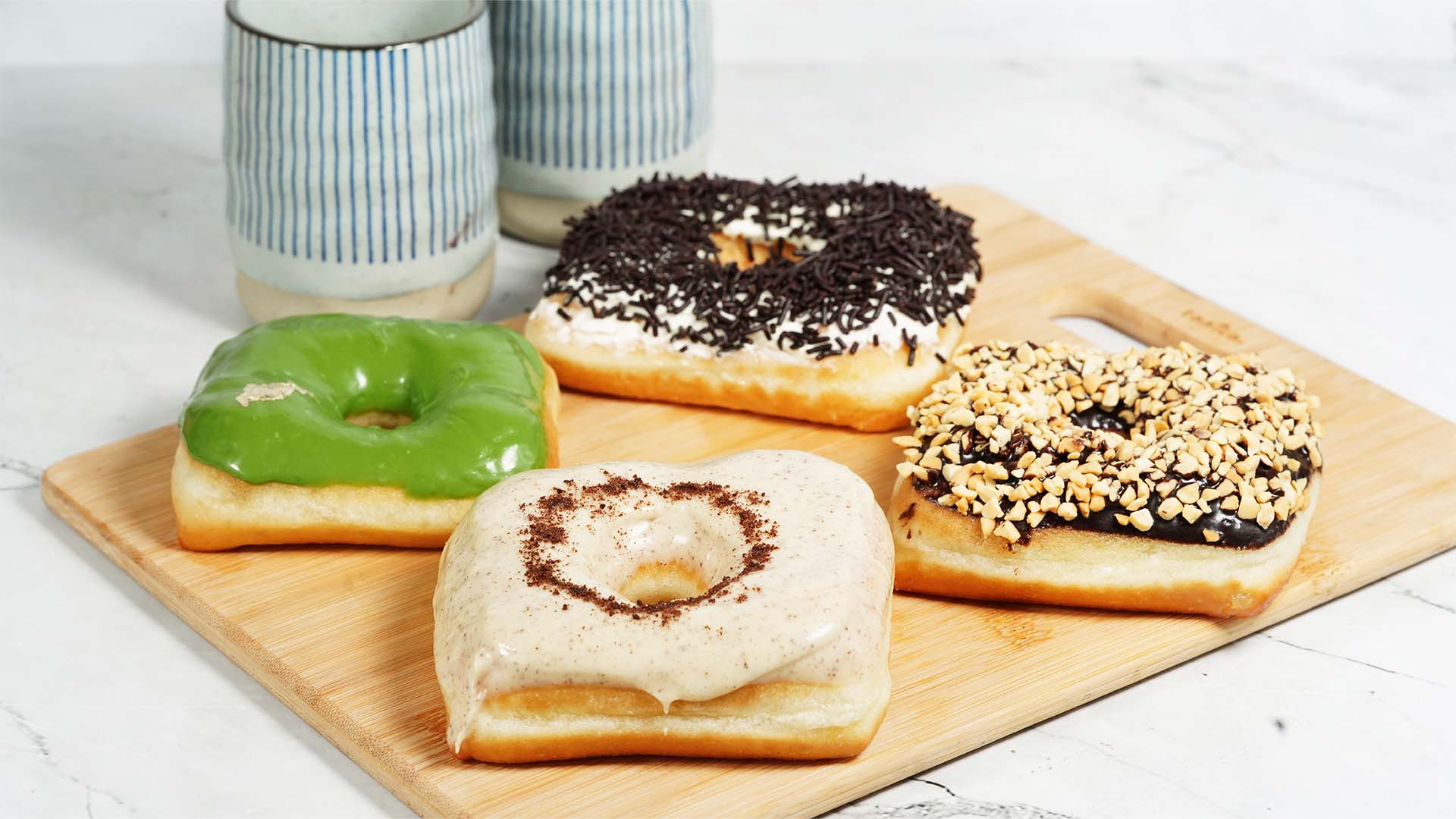
Modern Filled Donut Business Opportunity: Startup Costs, COGS, and Profit Margin
Read More
14 Aug
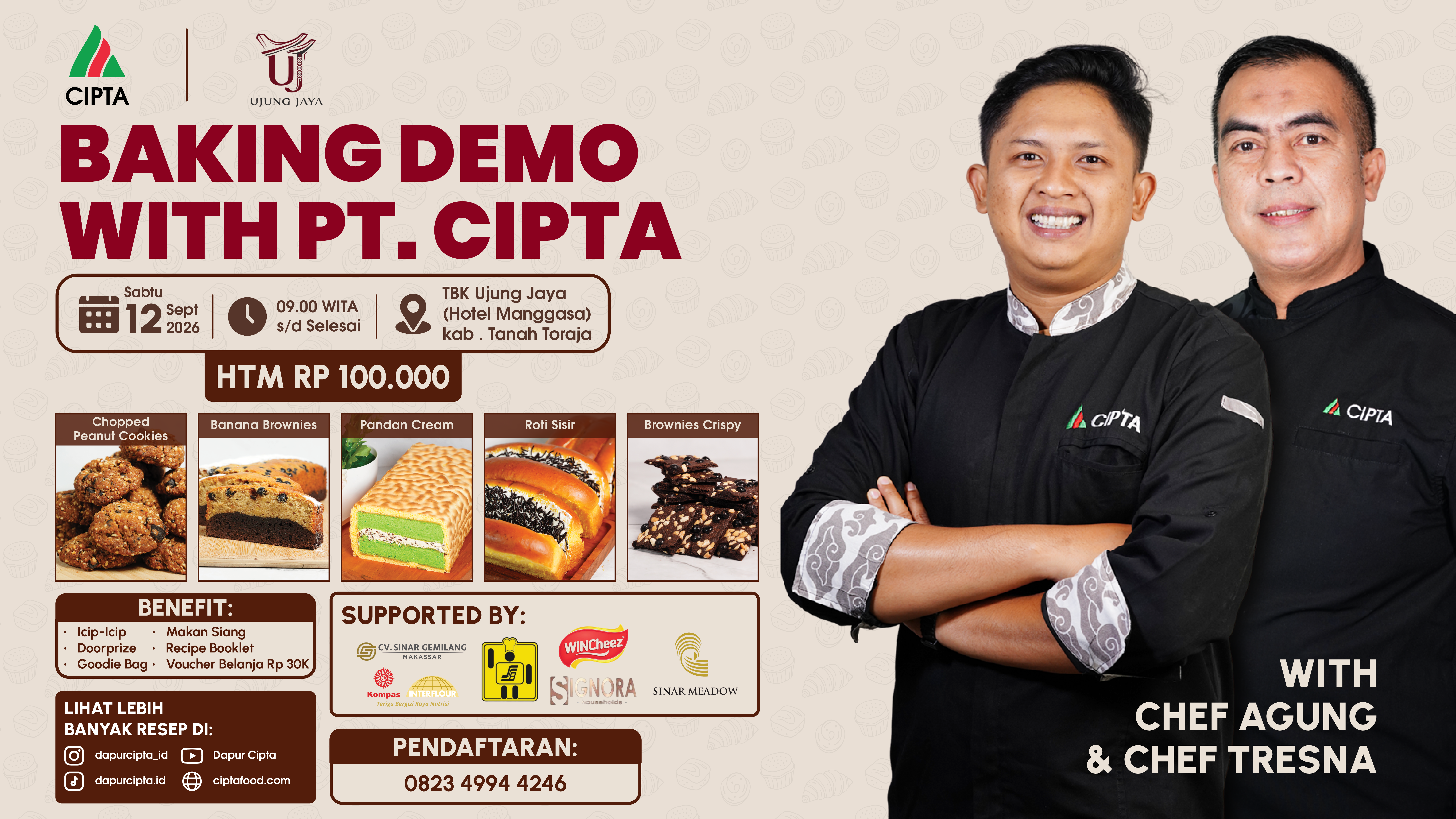
Baking Demo PT Cipta & TBK Ujung Jaya (Sabtu, 12 September 2026)
Read More
14 Aug
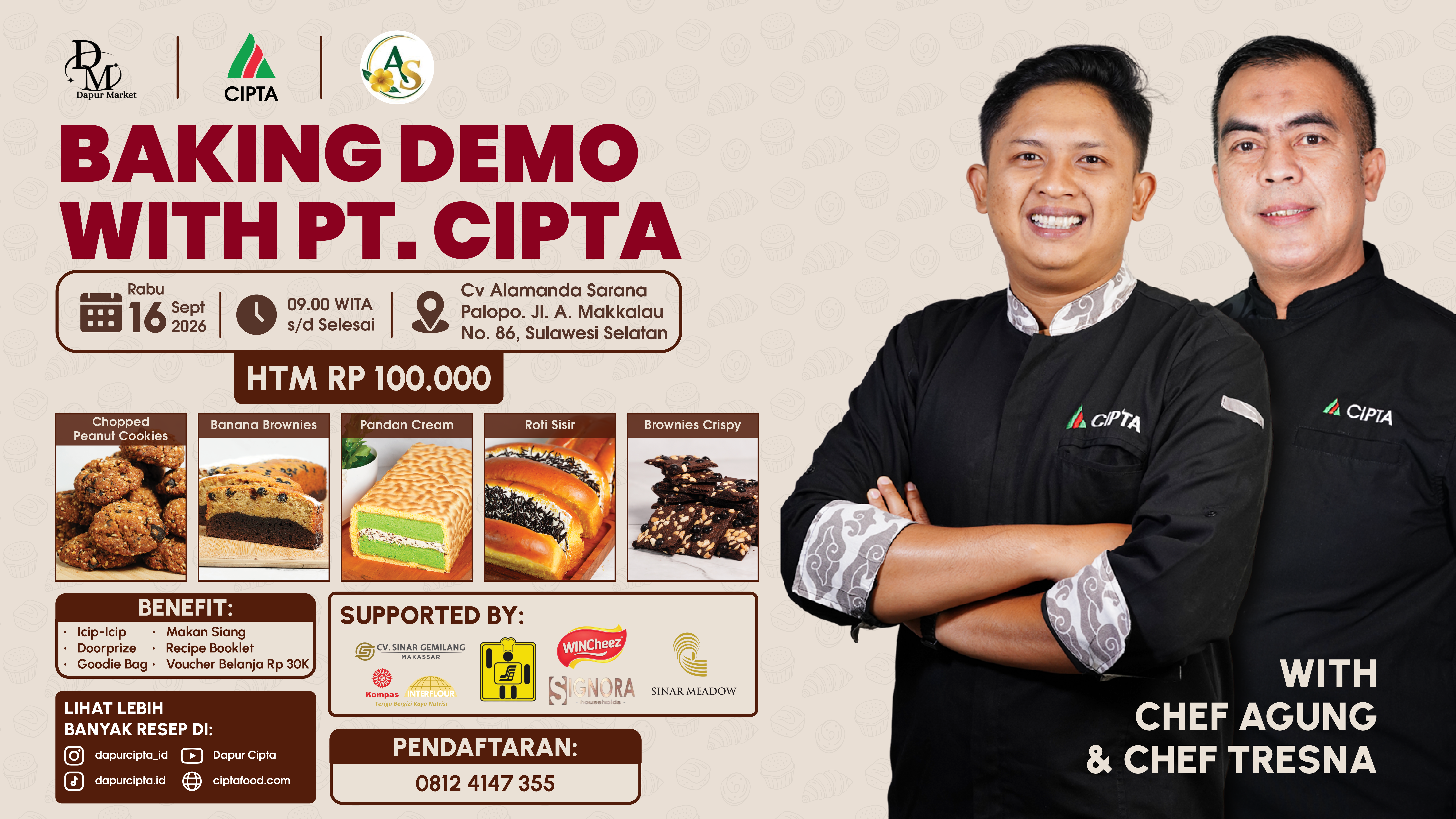
Baking Demo PT. Cipta & CV Alamanda Sarana (Rabu, 16 September 2026)
Read More
14 Aug
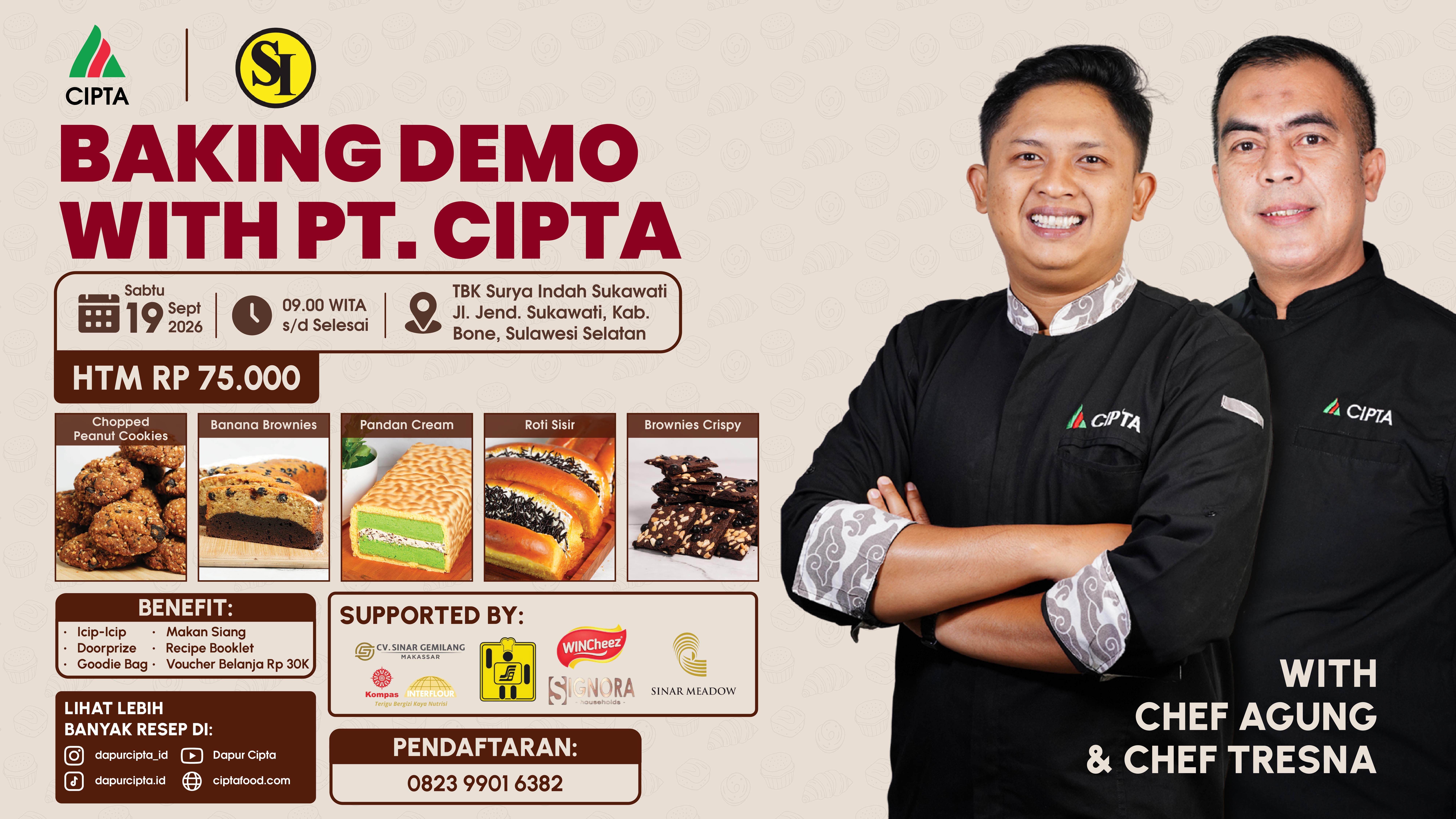
Baking Demo PT. Cipta & TBK Surya Indah Sukawati (Sabtu, 19 September 2026)
Read More
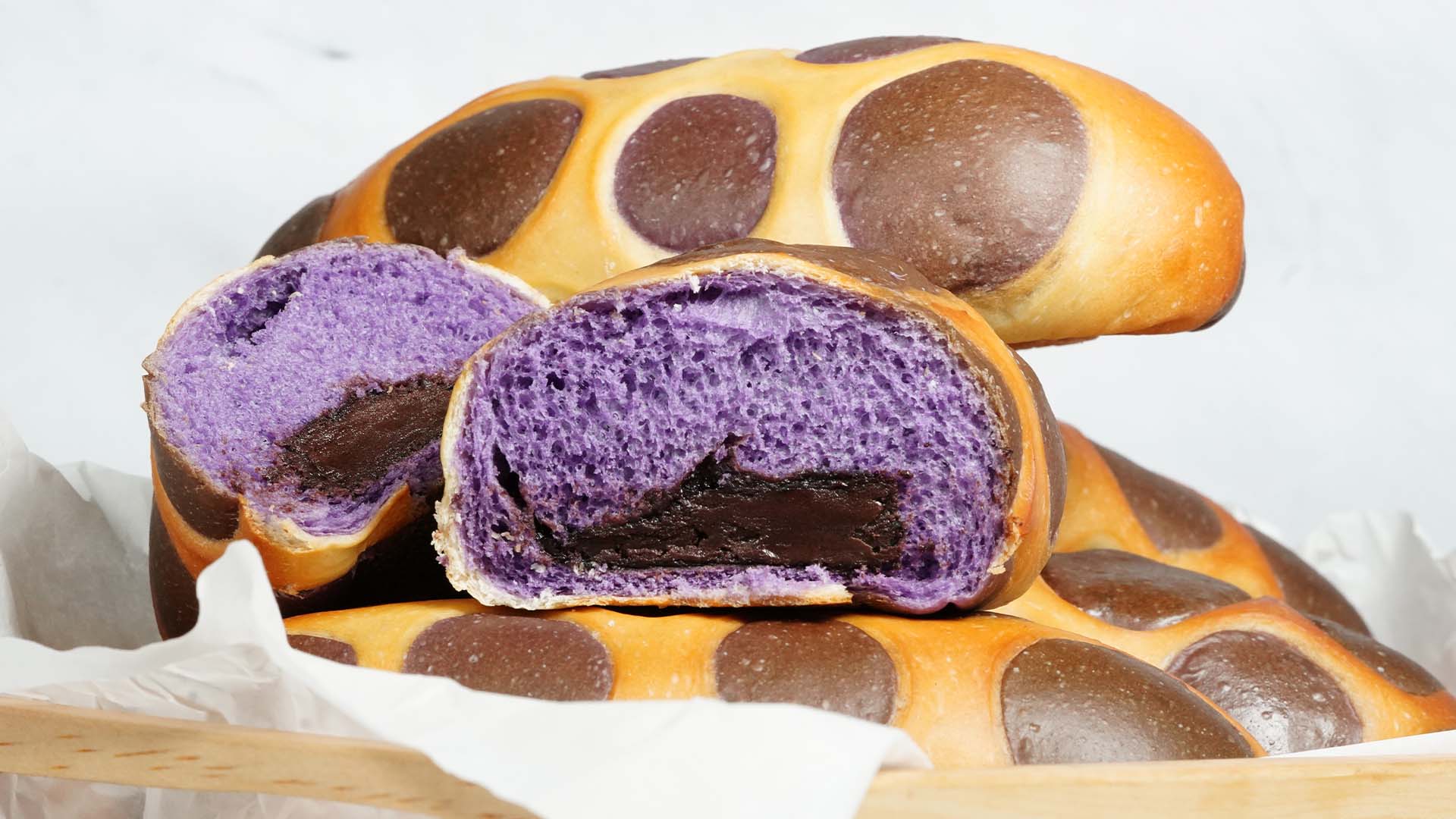
21 Aug
Modern Bread Filling Ideas: 12 Favorite Fillings Consumers Love
Read More
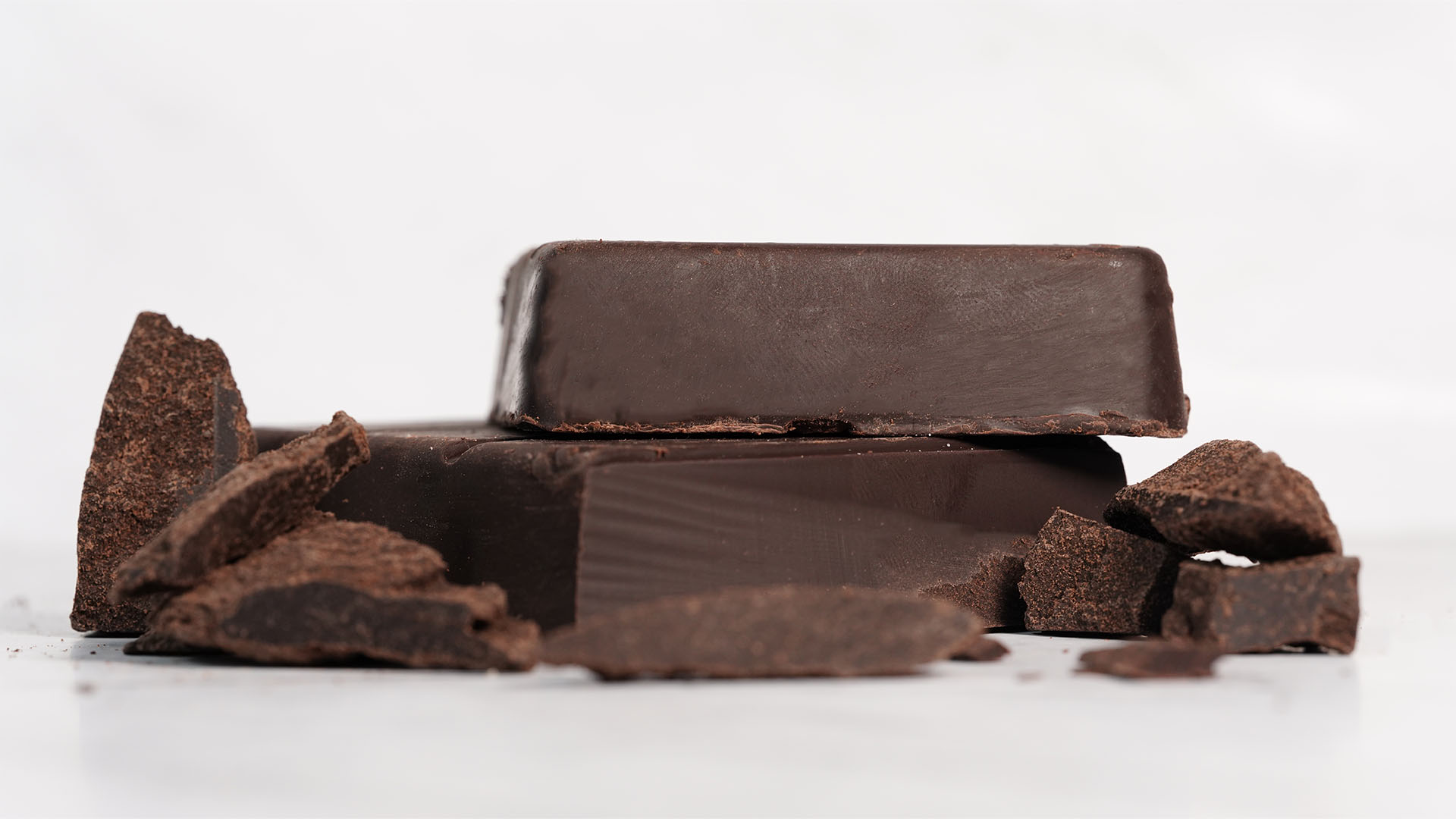
28 Aug
Compound vs Couverture Chocolate: A Complete Guide for Bakeries
Read More
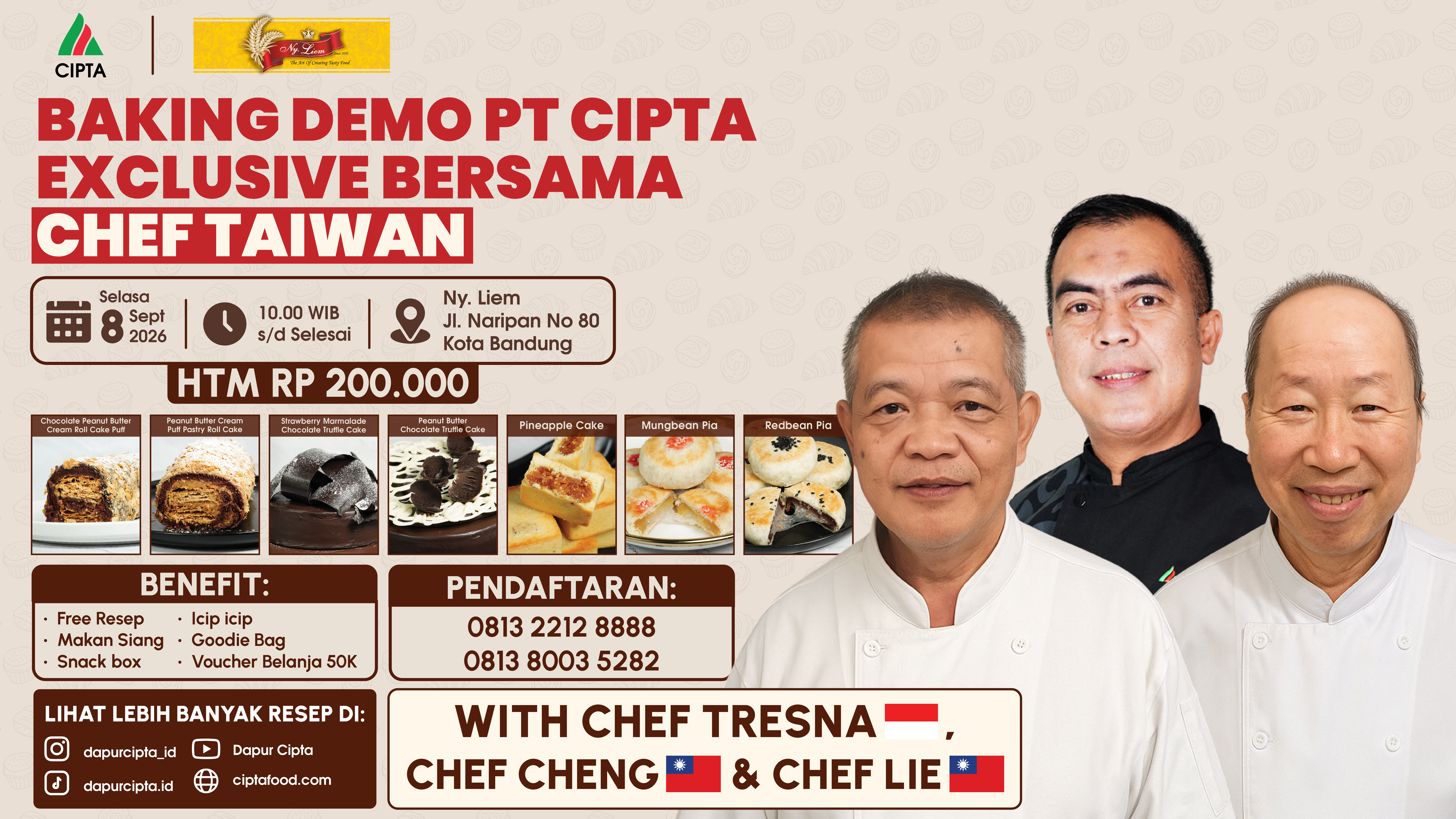
28 Aug
Baking Demo PT Cipta & TBK Ny. Liem (Selasa, 8 September 2026)
Read More
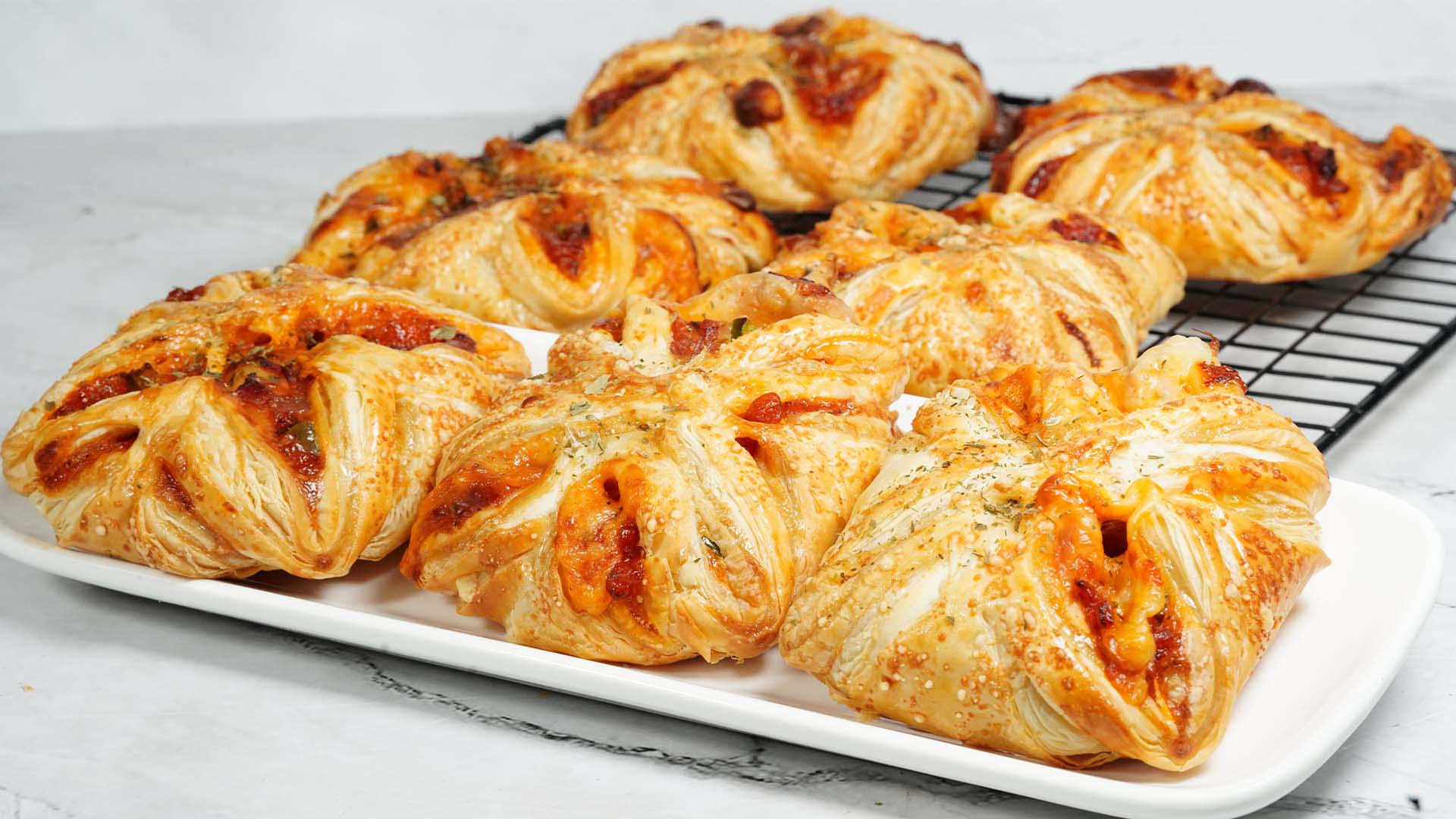
04 Sep
Is Frozen Bakery Still a Business Opportunity? Trends and Strategies for 2026
Read More

11 Sep
Preparing for KRISTA InterFOOD 2026: A Complete Guide for Bakery Owners and SMEs
Read More
18 Sep
PT Cipta at KRISTA InterFOOD 2026: Your Complete Bakery Ingredient Solution
Read More
25 Sep
7 Bakery Chocolate Innovations That Will Trend in Indonesia in 2027
Read More

02 Oct
KRISTA InterFOOD vs SIAL InterFOOD 2026: What Has Changed and Which One Should You Attend?
Read More